
Our Variable Speed Drive Solutions
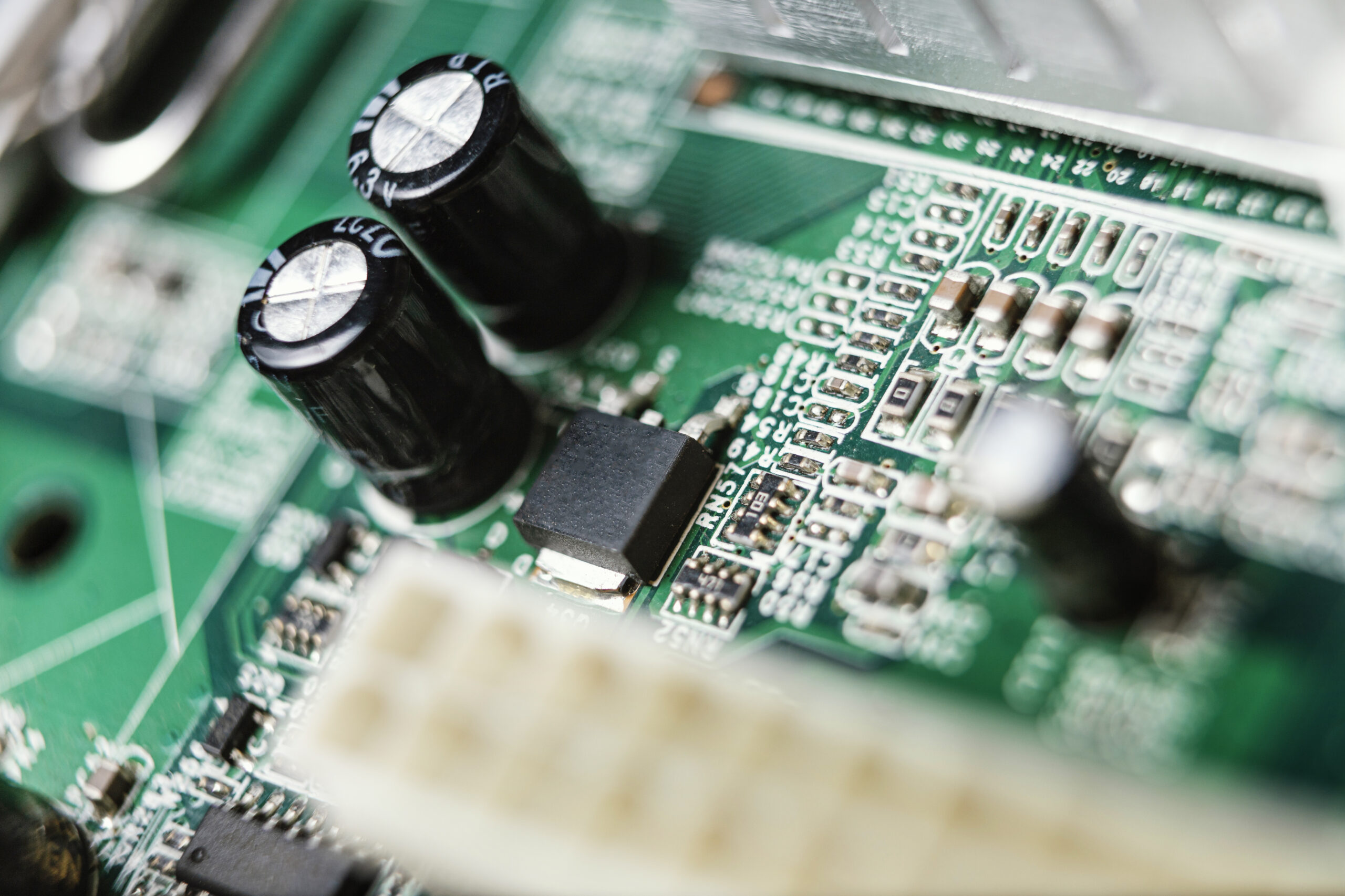
Energy-Efficient Inverter Drives
One of the key components of VSD functioning is the inverter technology. VSDs typically use an inverter circuit to convert the input AC (Alternating Current) power into DC (Direct Current), and then convert it back into AC at the desired frequency to control the motor speed. Of course, this only applies when the system works with AC power in the first place.
AC Variable Speed Drives
AC variable speed drives typically also use a rectifier to convert the incoming AC power into DC power, and then a DC bus, a storage capacitor that smooths the DC power, providing a stable power supply for the motor. Only then is the task transferred to the inverter.
Low-Voltage & High-Voltage VSDs
As for voltage differences, they have to do with the power requirements of the motor itself. While low-voltage VSDs (under 1000V) are ideal for smaller, medium-sized motors and applications that require precise motor control, higher-voltage VSDs (over 1000V) are used in high-power industrial applications where motors are larger and require more power. Typically, these systems are used in heavy-duty, energy-intensive industrial applications such as mining, oil and gas, and large manufacturing plants.
Custom VSD Solutions for Industrial Applications
VSD solutions can be customised to facilitate integration into the existing system, or to fit specific industry standards and comply with environmental law requirements. For instance, you might want to choose explosion-proof options for hazardous environments.